



On December 13, the district administration in Jammu and Kashmir’s Budgam sent bulldozers to demolish three “illegal brick kilns” in the area. They were being run without permits and severely polluting the environment, officials said.
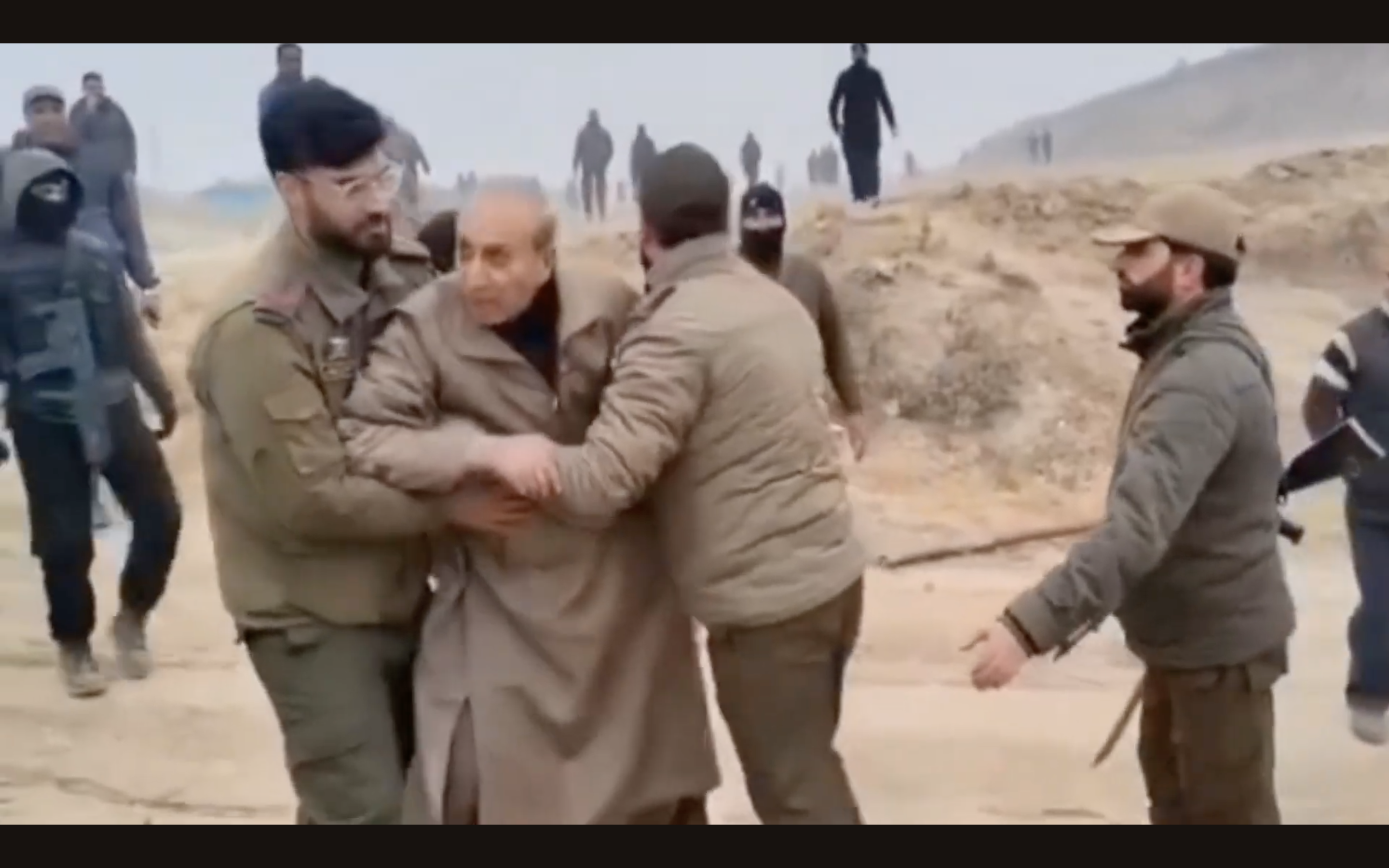
Standing in their way was the National Conference legislator from Chadoora, Ali Mohammad Dar.
Dar told Scroll that he had tried to reach a compromise. “I assured the officials that the owners will sign an affidavit promising they would not run the kilns without registering the kilns,” the 67-year-old said.
He argued that it was not fair to target the kilns when they had come up in the first place as a result of corrupt officials looking the other way.
Dar’s requests to the officials were brushed aside. A video of him from the day shows the elderly legislator being surrounded by men in uniform, as he grapples with a couple of police personnel who push him away from the site of the demolition.
Moments after the video was taken, Dar fainted and had to be hospitalised.
The next day, Dar lodged a police complaint against the Chadoora subdivisional magistrate for what he described as “humiliation” and “disrespect” of an elected representative.
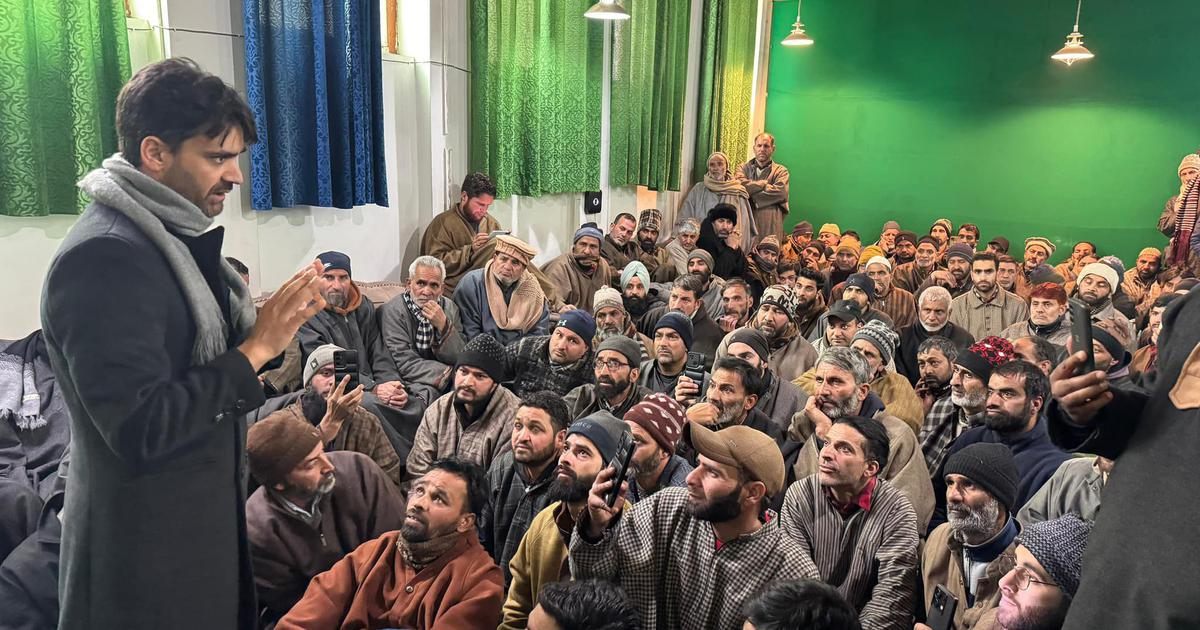
The images of Dar being roughed up were not an aberration, several legislators told Scroll. It underlined the powerlessness of MLAs in the union territory of Jammu and Kashmir.
‘Difficult to fulfil promises’
In August 2019, the Narendra Modi government stripped Jammu and Kashmir of its special status as well as its statehood. The former state was split into the union territories of Jammu and Kashmir and Ladakh.
Unlike Ladakh, Jammu and Kashmir was left with a legislature, but it took five more years for elections to be held.
In October 2024, the National Conference won a majority of seats in the 90-member Assembly and took office as the first elected government of the union territory.
But over a year later, elected legislators told Scroll their powers have been whittled down in a set-up where the Lieutenant Governor administration holds sway.
They recounted how the bureaucracy frustrated their attempts to get work done for their constituents, how curbs on spending made it difficult to come to the aid of common people and the lack of clarity on the demarcation of powers between the elected government and the LG administration.
A legislator from the ruling National Conference, who asked not to be identified, said, “It has become difficult to fulfil the promises we made to the people because the bureaucracy is not accountable to us but the LG. We feel powerless.”
Another legislator from one of Kashmir’s Opposition parties said MLAs have neither “power nor dignity”. “Earlier, an MLA would issue orders and directions to the officials. Now, we have to request them.”
On spending, hands tied
One of the common complaints from legislators in Jammu and Kashmir is about the delay in getting work done.
“A work that we would ideally complete in 15 days, such as approving a bridge or a road, now takes more than three months,” said Dar, the National Conference legislator from Chadoora.
Dar was first elected from the constituency in 1996. “These obstacles are created deliberately to make us look weak and irrelevant,” he said. “Eventually, we do manage to complete the work but it takes a lot of effort and consistent intervention on our part.”
More importantly, under the new set-up, legislators no longer have the discretion to spend from an MLA fund.
Instead, each MLA is entitled to Rs 4 crore under the Constituency Development Fund scheme. But the funds have to be used for the “creation of durable community assets based on locally felt needs.”
Each legislator has to submit a list of planned works annually to the district development commissioner, a post held by the district magistrate, for approval.
“Earlier, an MLA had the discretion to allocate his fund, or use it for emergency relief,” said Dar. “Today if I, as an MLA, want to grant some small amount of relief from my fund to an affected person, it will have to go through different levels of the administration and entail a lot of paperwork.”
As a result, MLAs have fallen back on their own resources to help their constituents.
Waheed Ur Rehman Para, a legislator from the Peoples Democratic Party, recounts how he struggled to help several patients with terminal or critical illnesses.
Without the freedom to spend from his constituency fund, he wrote to the Chief Minister’s and Prime Minister’s offices. “I must have written more than 20 letters asking for some assistance for these patients who needed expensive treatment,” Para said.
When he got no response, Para tried to raise money through social media and crowdfunding. “I shared some social media posts and video appeals. We succeeded in raising money for at least two patients.”
Dar had a similar experience.
In September, panic had spread across Jammu and Kashmir as incessant rainfall led to flooding of low-lying areas. Dar’s constituency, Chadoora, was no exception.
“The local residents were asking for boats to rescue those who were trapped. They wanted traditional wooden shikaras, not the inflatable boats used by the State Disaster Response Force,” recalled Dar.
Had Dar gone through the proper procedure, it would have taken “many days” to get the approval to hire the boats. So, he negotiated with shikara owners at Dal Lake and hired 10 boats with his own money.
“I didn’t have any second thoughts,” Dar said. “They needed my help. And I could not tell them that things were not what they used to be when I was an MLA in the state of Jammu and Kashmir.”
When the LG is the boss
Many legislators say that in the new set-up, bureaucrats are no longer accountable to politicians and often end up ignoring them.
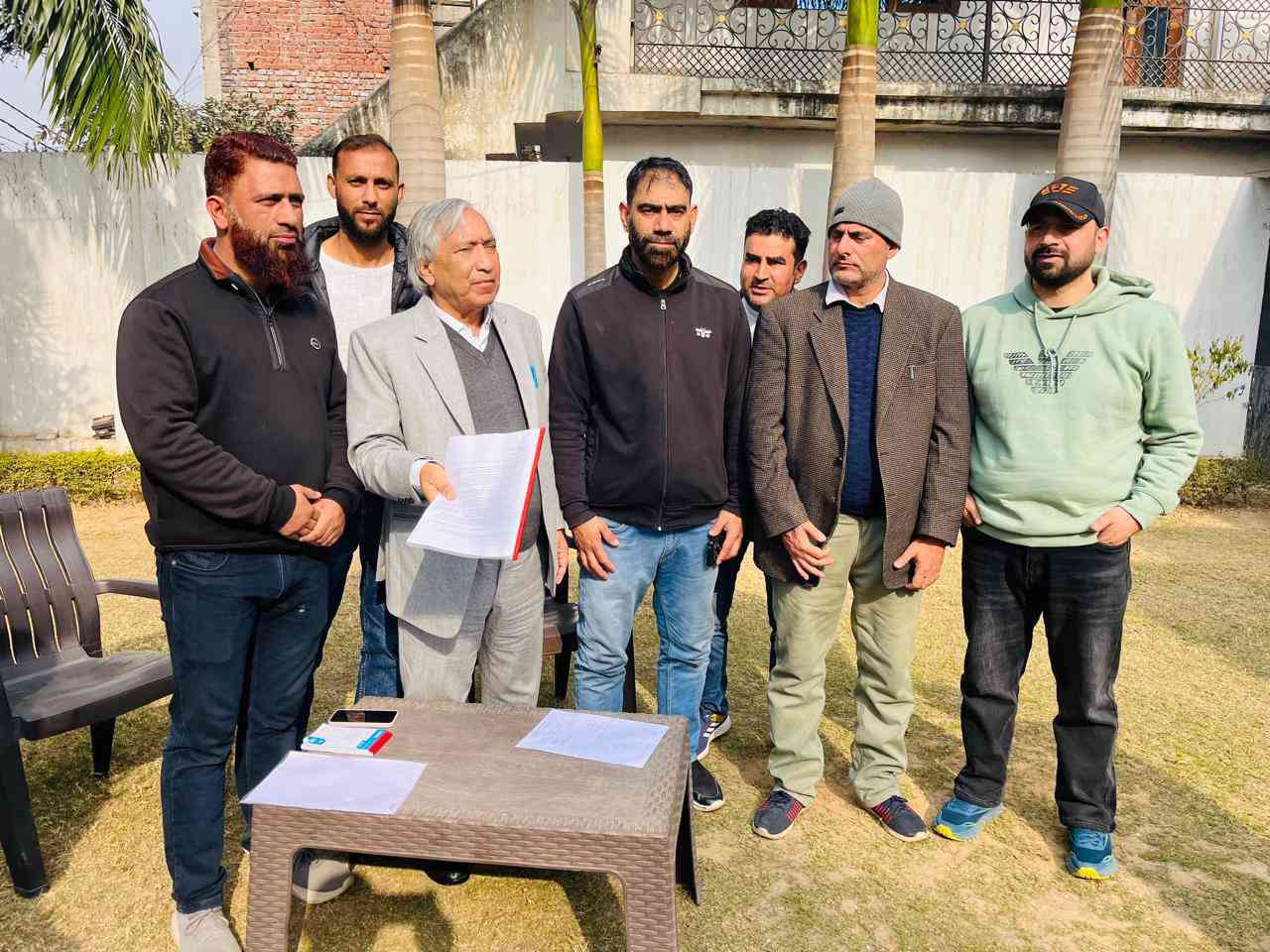
Kashmir’s seniormost Communist leader and a five-time Member of Legislative Assembly, Mohammad Yousuf Tarigami, said the difference is stark.
“Earlier, when we wrote letters to officers or submitted petitions, they were at least acknowledged,” said the 75-year-old. “After some time, officers would respond that they had examined the matter and found it to be one way or another. At the very least, we would get an answer.”
But that has changed now, he said.
Abdul Majeed Bhat, a National Conference legislator from south Kashmir’s Anantnag district, puts it more bluntly. “A bureaucrat knows that an elected representative does not have the power to transfer him,” he said. “His boss is the LG and only he can take any action. So, why would he care about the issues we bring before them?” he said.
Several legislators pointed out that even a year later, business rules that define the contours of powers and functions of the elected legislators and those of the Lieutenant Governor are yet to be framed.
Tarigami called the situation “unimaginable”. “A year since the government was formed, the elected government still has no clarity on what authority they actually have, on which subjects they can take decisions independently and on which matters files must be sent to the Lieutenant Governor,” he said.
Since the power flows from the Centre-appointed Lieutenant Governor, many legislators fear the situation is likely to remain the same until the restoration of statehood. “The problem is the union territory set-up and that needs to change. Unfortunately, there does not seem to be a lot enthusiasm in the Centre about statehood,” said the NC legislator, who did not want to be named.
A blow to mainstream politics
The disempowerment of legislators has implications for India’s Kashmir policy, the MLAs said.
When the first Assembly elections in the union territory of Jammu and Kashmir were announced in 2024, people came out to vote in significant numbers – unlike in the past, when voting was seen as an act of collaboration.
“It was the first election in the last three violent decades where you had separatists, banned groups and even those who did not believe in elections, taking part in the elections,” said Para, the PDP legislator from south Kashmir’s Pulwama district.
Having lived under the Centre's direct rule since 2019, “when local residents had zero say, people thought electing their own representatives would give them a sense of power and empowerment,” Para reasoned.
But those expectations have largely remained unfulfilled.
Tarigami argued that the powerlessness of elected representatives raises a question on the democratic process. “When the element of accountability disappears, then the will of the people, democracy and the electoral process itself begins to weaken. That is what is happening today,” he added.
Para said New Delhi’s attempts to defeat separatism in Kashmir will also be affected by how people perceive their legislators.
“In a place where the majority believed in the separatist ideology, the only way to integrate them was to bring them into the mainstream,” he said. “An empowered mainstream political space would have given them a sense of power as well as dignity.”
Para added: “When an MLA has no power and is as helpless as a common man, what incentive does mainstream politics offer to the people?”
